








Quick Answer: Choosing the perfect area rug comes down to matching size, material, and style to the specific room it’s going in. A living room calls for a different approach than a bedroom or dining room, and working with trusted rug manufacturers ensures the final choice holds up to daily use while still fitting the overall design of the space.
Rugs do more than add color to a room. They anchor furniture, define open spaces, and add warmth underfoot, but picking the wrong size or material can throw off an otherwise well-designed room. This guide breaks down how to choose the right area rug for every room in the house.
Why Rug Choice Depends on the Room
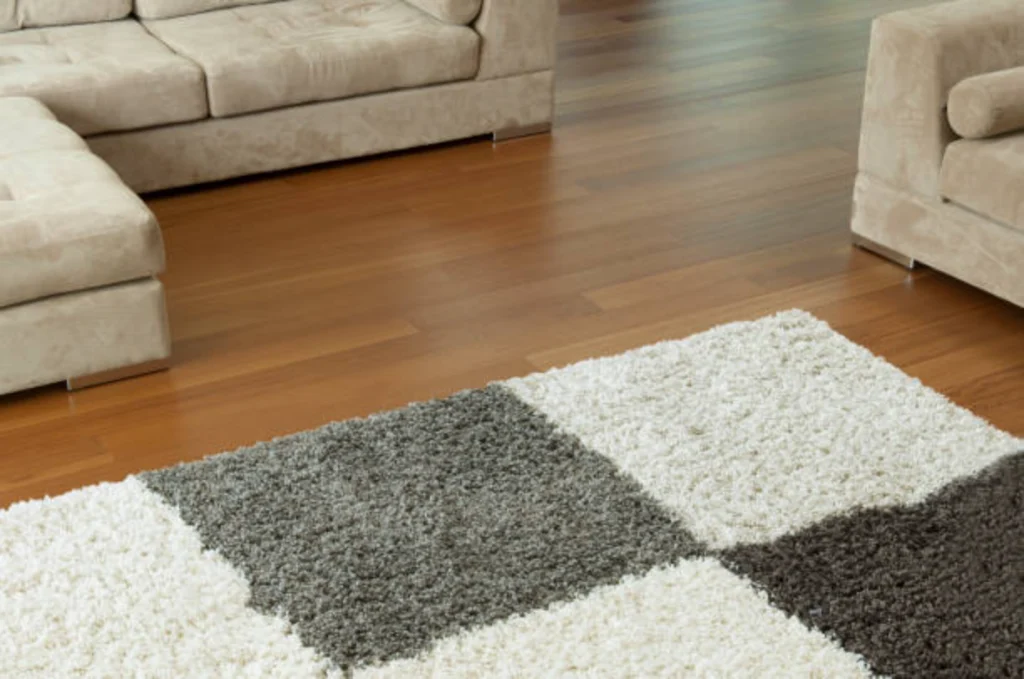
Every room has different needs when it comes to traffic, moisture exposure, and furniture layout, which means the same rug that works beautifully in a bedroom might not hold up in a busy entryway or dining room. Thinking through how a room is actually used makes the decision much easier.
Key factors that shift by room:
- How much foot traffic the space sees on a daily basis
- Whether spills or moisture are a regular concern in that room
- How furniture is arranged and how much of it needs to sit on the rug
- Whether the rug needs to define a specific zone within an open floor plan
- The overall style and color palette already established in the room
Choosing a Rug for the Living Room
Living rooms typically need a larger rug that can anchor the main seating area, with furniture legs sitting partially or fully on top of the rug rather than floating around it. Durable materials like wool or synthetic blends tend to hold up well here, since living rooms often see steady daily use.
Consider a rug large enough for at least the front legs of major furniture pieces to rest on it, and lean toward a neutral or subtly patterned design if the room already has bold furniture or artwork, so the rug complements rather than competes with the space.
Choosing a Rug for the Bedroom
Bedrooms call for a softer touch underfoot, since this is often the first surface bare feet touch in the morning. Plush materials like wool or high-quality synthetic blends work well here, offering comfort without sacrificing durability.
A rug placed so it extends out from the sides and foot of the bed creates a soft landing area, and softer, more neutral tones tend to support the relaxed atmosphere most homeowners want in a bedroom.
Choosing a Rug for the Dining Room
Dining rooms need a rug that can handle dropped food, spilled drinks, and the constant movement of chairs being pulled in and out. A flatweave or low-pile rug in a stain-resistant material tends to perform best here, since it’s easier to clean and less likely to snag on chair legs.
Sizing matters a lot in this room specifically, since the rug needs to extend far enough that chairs stay on the rug even when pulled out from the table, rather than catching on the edge.
Choosing a Rug for the Entryway
Entryways deal with the most dirt, moisture, and daily wear of almost any room in the house, since it’s the first place shoes and bags touch down. A durable, easy-to-clean material is essential here, and many homeowners choose a smaller runner or accent rug rather than a large area rug for this space.
Darker colors or patterned designs tend to hide dirt and wear better in entryways than lighter, solid-colored options.
Choosing a Rug for a Home Office
Home offices benefit from a rug that can handle the wear of a rolling office chair without showing tracks or flattening quickly. A low-pile, durable material holds up best under this kind of repeated pressure, and a rug pad underneath helps protect both the rug and the flooring beneath it.
Matching Materials to Real-World Use
Beyond room-specific needs, the material of a rug plays a major role in how it performs over time. Wool tends to be durable and naturally stain-resistant, making it a strong all-around choice. Synthetic blends often cost less while still holding up well to daily traffic, and natural fiber options like jute add texture but may not handle moisture or heavy use as well as other materials.
Working with established rug manufacturers matters here, since quality construction affects how well a rug resists shedding, holds its shape, and stays looking new over the years. A well-made rug from a reputable manufacturer often costs more upfront but tends to last significantly longer than a budget alternative.
Getting the Size Right
One of the most common mistakes homeowners make is choosing a rug that’s too small for the room or furniture arrangement. A too-small rug can make a room feel disjointed, while a properly sized rug helps tie furniture and flooring together. It’s worth taking careful measurements of the room and furniture layout before settling on a final size, since the right dimensions make a bigger visual difference than the specific pattern or color chosen.
Frequently Asked Questions
How do I know what size rug I need for my living room?
A good starting point is choosing a rug large enough for at least the front legs of major furniture pieces to sit on top of it, which helps anchor the seating area properly.
What’s the most durable material for a high-traffic area?
Wool and quality synthetic blends from established rug manufacturers tend to hold up best in high-traffic areas, resisting wear, stains, and shedding better than looser natural fibers.
Can I use the same rug style throughout my whole home?
It’s not necessary, though many homeowners choose a consistent color palette or material type across rooms to create a cohesive flow, even if the specific rug style changes by room.
Do I need a rug pad under every area rug?
A rug pad is recommended for most rooms, since it prevents slipping, adds cushioning, and helps protect both the rug and the flooring underneath from wear.
About Yes Floors
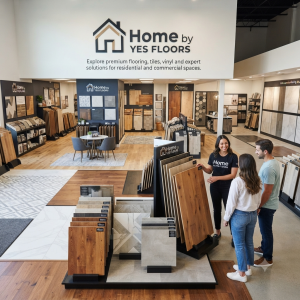
Yes Floors is a flooring store serving Anchorage and Wasilla, Alaska, offering hardwood, carpet, laminate, luxury vinyl, and tile from trusted manufacturers. Their showroom also features a wide selection from established rug manufacturers, along with in-house design consultation to help homeowners find the right rug for every room in their home.
Final Thoughts
Choosing the perfect area rug comes down to understanding how each room is actually used and matching size, material, and style accordingly. With a bit of planning and rugs sourced from reliable rug manufacturers, every room in the house can feel pulled together and functional at the same time.
Ready to Find the Perfect Rug for Your Home?
Contact Yes Floors to explore rug options and schedule a design consultation to find the best fit for every room in your home.