







Quick Answer: Modern interior design is moving away from plain painted walls toward textured, layered, and statement-making wall coverings. Popular trends right now include large-format wall panels, nature-inspired textures, bold botanical wallpaper, and mixed-material accent walls. Today’s leading wall covering manufacturers are responding with more sustainable materials, easier installation systems, and designs that work for both residential and commercial spaces.
Walls are no longer an afterthought in interior design. Homeowners and designers alike are treating them as a canvas for texture, color, and personality, moving well beyond a simple coat of paint. Here’s a look at the wall covering manufacturers trends shaping modern spaces and what to consider when choosing the right option for your project.
Why Wall Coverings Are Having a Moment

For years, paint was the default choice for most walls, but that’s shifting. Wall coverings offer depth, texture, and visual interest that flat paint simply can’t match, and advances in materials have made them more durable and easier to install than in the past. Interior designers are increasingly using walls to set the tone for an entire room, whether that means a bold pattern in an entryway or a subtle textured panel behind a bed.
This shift has also pushed wall covering manufacturers to innovate, offering products that are more peel-and-stick friendly, more moisture-resistant, and better suited to both new construction and renovation projects.
Top Wall Covering Trends to Know
Large-format wall panels. Big, seamless panels are replacing smaller tiles and traditional wallpaper rolls in many spaces. Fewer seams mean a cleaner look, and panels made from wood-look composites, stone-look materials, or acoustic-friendly fabrics are especially popular in living rooms and offices.
Nature-inspired textures. Wood grain, stone, and woven-look finishes continue to trend as homeowners look to bring natural elements indoors without the cost or maintenance of real materials. These textures pair well with both modern and traditional interiors.
Bold botanical and floral wallpaper. After years of neutral, minimal walls, many designers are embracing bold botanical prints and rich florals, often used as a single accent wall rather than covering an entire room.
Textured, tactile finishes. Grasscloth, linen-look, and subtly embossed wall coverings add a tactile, layered feel to a space without overwhelming it with pattern, making them a popular middle ground for homeowners who want texture without bold color.
Mixed-material accent walls. Combining two or more wall covering types, such as a wood panel paired with a textured wallpaper insert, is becoming a signature move in high-end interior design, adding visual interest without requiring a full room redesign.
Acoustic wall coverings. As open floor plans and home offices become more common, acoustic-friendly wall panels that reduce noise while adding texture are gaining popularity, especially in shared living spaces and workspaces.
Wallpaper vs Wall Panels: Which Trend Fits Your Space?
Choosing between wallpaper and panels often comes down to the look you want and how much maintenance you’re willing to take on. For a deeper comparison of cost, durability, and installation, Wallpaper vs Wall Panels breaks down which option makes more sense for different rooms and budgets.
What to Look for in Wall Covering Materials
Not all wall coverings are created equal, and the right choice depends on where it’s going and how the space is used. A few things worth considering:
- Moisture resistance for bathrooms, kitchens, and mudrooms
- Durability and washability for high-traffic areas or homes with kids and pets
- Installation method, since some products are designed for easy DIY application while others require professional installation
- Sustainability, as more manufacturers now offer recycled or low-VOC materials
Reputable wall covering manufacturers typically provide detailed specs on these factors, which makes comparing products easier before committing to a design.
Choosing the Right Wall Covering Manufacturer
Since trends move quickly, working with established wall covering manufacturers helps ensure you’re getting a quality product backed by real durability testing, not just a trendy pattern that fades or peels within a year. Look for manufacturers with a strong track record in both residential and commercial spaces, a range of textures and materials rather than a single style, and clear guidance on installation and long-term care. Proper upkeep also matters once your wall covering is installed, and a quick read through a Wall Covering Maintenance guide can help extend the life of whatever material you choose.
How to Bring These Trends Into Your Space
You don’t need to redo every wall in your home to follow these trends. Many homeowners start with a single accent wall, whether that’s a textured panel in a living room or a bold wallpaper pattern in a powder room, and build from there. Pairing a statement wall with simpler, neutral finishes elsewhere keeps the overall design balanced rather than overwhelming.
About Yes Floors
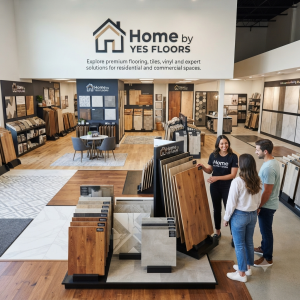
Yes Floors offers a wide range of wall covering solutions from trusted wall covering manufacturers, helping homeowners and designers bring modern interior trends to life. From large-format panels to textured wallpaper, the team provides guidance on selecting the right material, style, and installation approach for any space.
Frequently Asked Questions
What’s the most popular wall covering trend right now?
Large-format wall panels and nature-inspired textures are among the most popular trends, offering a seamless, elevated look compared to traditional wallpaper.
Are wall coverings more expensive than paint?
Generally, yes, though the cost varies widely by material. Many homeowners offset this by using wall coverings as an accent rather than covering every wall.
How do I choose between wallpaper and wall panels?
It depends on your budget, the look you want, and how much maintenance you’re willing to take on. Panels tend to be more durable, while wallpaper offers more pattern variety.
Do wall coverings work in bathrooms and kitchens?
Yes, as long as you choose a moisture-resistant material designed for high-humidity areas. Not all wall coverings are suited for these spaces, so check manufacturer specs first.
How do I maintain a wall covering once it’s installed?
Maintenance depends on the material but generally involves gentle cleaning and avoiding harsh chemicals. A dedicated maintenance guide can help you care for your specific material correctly.
Explore Wall Covering Options Today
Ready to update your walls with the latest trends? Contact Yes Floors or vist our team today to explore wall coverings from top manufacturers and find the right fit for your space.