





Quick Answer: Yes, artificial grass is worth it for many residential properties, especially for homeowners dealing with limited sunlight, unpredictable climates, or busy schedules that leave little time for lawn care. Backed by strong construction from trusted artificial grass manufacturers, it delivers a consistently green, low-maintenance lawn year-round, though the upfront cost and specific needs of a property are worth weighing before making the switch.
A natural lawn takes a lot of ongoing work to keep looking good, and not every homeowner has the time, climate, or yard conditions to make that happen. This guide looks at what artificial grass offers, where it makes the most sense, and what to consider before installing it.
What Is Artificial Grass?
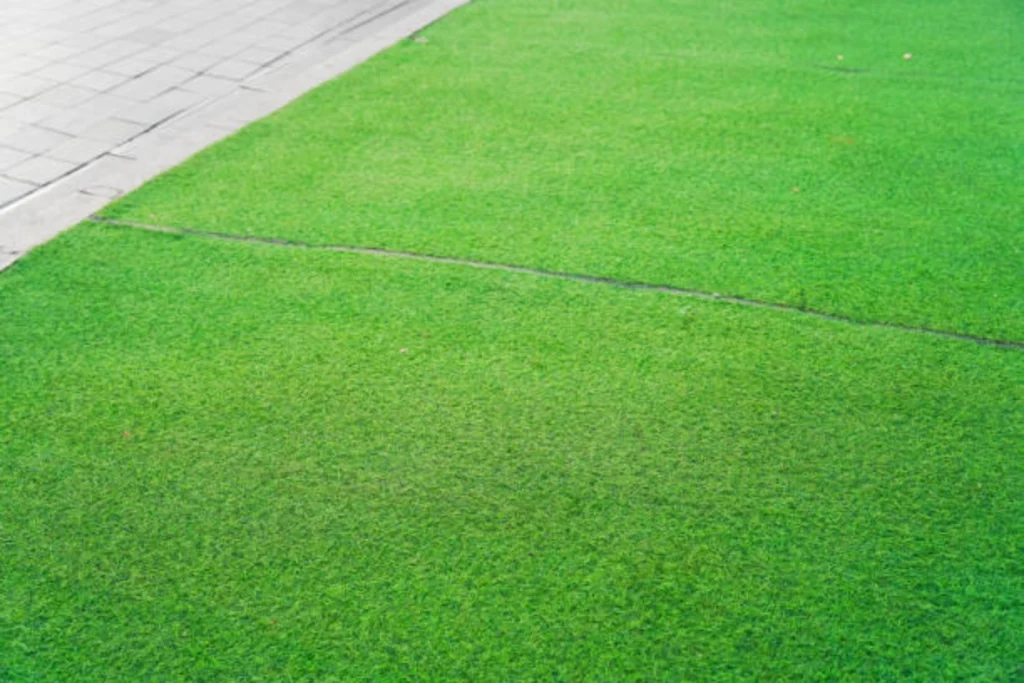
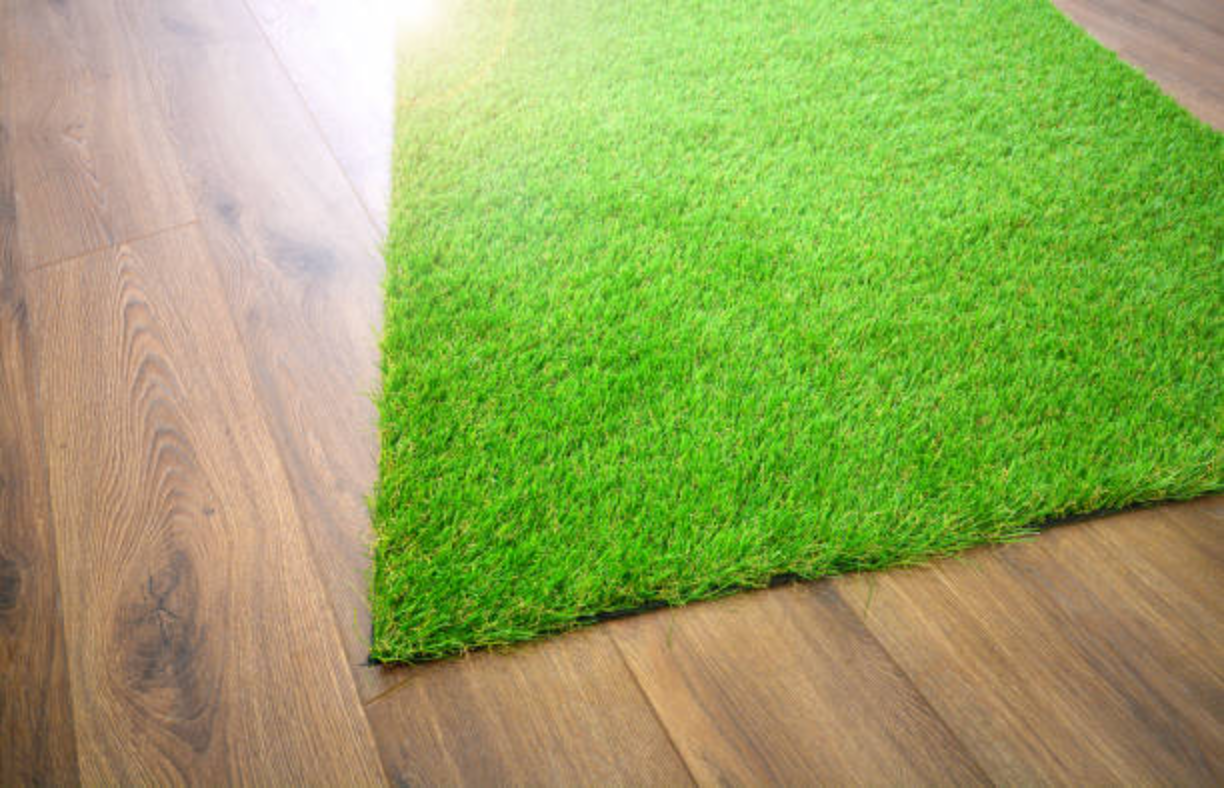
Artificial grass is a synthetic surface designed to replicate the look and feel of a natural lawn without the water, mowing, or fertilizing that real grass requires. It’s built in layers, with synthetic fibers anchored into a backing material and installed over a properly prepared base.
Key traits:
Made from durable synthetic fibers designed to look and feel like natural grass
Stays green and consistent year-round, regardless of season or weather
Requires no mowing, watering, or fertilizing once installed
Installed over a compacted base with drainage built in to handle rain and runoff
Produced by artificial grass manufacturers in a range of pile heights, colors, and textures
Benefits of Artificial Grass for Residential Properties
Homeowners choose artificial grass for a variety of reasons, and the benefits often go beyond simply saving time on yard work. It offers a consistent, attractive lawn that holds up under conditions where natural grass often struggles.
Key benefits include:
A green, healthy-looking lawn year-round, even in low-sunlight or shaded yards
No need for regular mowing, watering, weeding, or fertilizing
Durable enough to handle heavy foot traffic, pets, and kids playing outside
No muddy patches or bare spots that often develop with natural grass over time
A consistent look across the entire yard, without patchy growth or seasonal dieback
Where Artificial Grass Makes the Most Sense
Artificial grass tends to make the most sense for homeowners dealing with shaded yards where natural grass struggles to grow, properties with pets that tend to dig up or damage real grass, and regions with water restrictions or unpredictable rainfall. It also works well for smaller yards, rooftop spaces, and areas around pools where mud and mess from natural grass are a bigger concern.
Homeowners who travel often or simply don’t have time for regular lawn maintenance also tend to see the most value in switching to artificial grass.
Is It Worth the Cost?
Artificial grass typically costs more upfront than seeding or sodding a natural lawn, since it involves a full base preparation and installation process. However, many homeowners find it pays off over time by eliminating the ongoing costs of mowing equipment, water bills, fertilizer, and lawn care services.
Pricing also depends heavily on the quality of materials and which artificial grass manufacturers supply the product, with better fiber quality and backing materials generally lasting longer and looking more natural over time.
Maintenance and Longevity
One of the biggest draws of artificial grass is how little maintenance it needs compared to a natural lawn. Occasional rinsing to clear away dust and debris, along with brushing the fibers to keep them standing upright, is typically all that’s required to keep it looking fresh.
With proper installation and routine care, artificial grass from reputable artificial grass manufacturers can last well over a decade, even in yards that see heavy use from kids and pets.
Is Artificial Grass Right for Your Property?
Artificial grass tends to be worth it for homeowners who value a consistently green, low-maintenance yard and don’t mind the higher upfront investment. It may be less appealing for those who prefer the feel of natural grass or aren’t concerned about the time and resources that go into maintaining a traditional lawn.
Frequently Asked Questions
Is artificial grass safe for kids and pets?
Yes, most products from artificial grass manufacturers are designed to be non-toxic and durable enough to handle regular play, running, and pet use.
How long does artificial grass typically last?
With proper installation and basic upkeep, artificial grass can last 15 to 20 years or more, depending on the quality of materials used.
Does artificial grass get too hot to walk on in direct sunlight?
It can feel warmer than natural grass in direct, prolonged sunlight, though many newer products are designed with heat-reducing technology to help minimize this.
Is artificial grass a good option for yards with drainage issues?
Yes, when installed correctly with a proper base and drainage system, artificial grass can actually help manage water runoff better than a natural lawn in some cases.
About Yes Floors
Yes Floors is a flooring store serving Anchorage and Wasilla, Alaska, offering hardwood, carpet, laminate, luxury vinyl, and tile from trusted manufacturers. Their showroom also features artificial grass from leading artificial grass manufacturers, along with in-house design consultation to help homeowners find the right outdoor solution for their property.
Final Thoughts
Artificial grass offers a practical, low-maintenance alternative to a natural lawn, especially for homeowners dealing with shaded yards, pets, or busy schedules. While the upfront cost is higher, the long-term savings on water, maintenance, and lawn care often make it a worthwhile investment for the right property.
Ready to Explore Artificial Grass for Your Home?
Contect Yes Floors to explore artificial grass options and schedule a design consultation to find the best fit for your property.