







Walk into any flooring showroom today and laminate has earned a place in the conversation that it simply did not have twenty years ago. Early laminate had a reputation that was fair at the time it looked artificial, felt hollow underfoot, and wore out faster than the alternatives it was trying to imitate. That product is not what is being sold today. Modern laminate from quality laminate flooring manufacturers has closed the visual and performance gap with hardwood and tile to a degree that genuinely surprises people who dismissed it based on older experience.
That does not mean laminate is the right answer for every space or every homeowner. It means it deserves an honest evaluation based on what it is today rather than what it was. This guide covers how laminate is constructed, where it performs well, where it does not, what it realistically costs, and what separates a quality product from a budget one so you can make a flooring decision you are confident in.
What Laminate Flooring Actually Is
Laminate is a multi-layer synthetic flooring product. Understanding those layers explains both its strengths and its limitations better than any marketing description does.
The bottom layer is a backing board that provides stability and moisture resistance from below. Above that sits a core layer, typically high-density fibreboard, which gives the plank its rigidity and determines how well it handles impact, moisture, and the stresses of daily foot traffic. Above the core is a photographic layer a high-resolution image of wood grain, stone, or tile that creates the visual appearance of the floor. On top of that sits a wear layer, a clear protective coating that is the surface you walk on and that determines how resistant the floor is to scratch, fading, and surface damage over time.
The photographic layer is what most people focus on when evaluating laminate visually, and modern printing technology has made that layer remarkably convincing. Quality laminate flooring manufacturers use high-definition imaging with texture embossing that aligns the surface texture with the printed grain pattern, creating a tactile realism that photographs and even in-person viewing at a distance struggle to distinguish from real wood or stone. The wear layer above it is what determines how long that appearance holds up under real use.
Where Laminate Performs Well
High-Traffic Above-Grade Living Spaces
Laminate is built for durability in a way that some natural flooring materials are not. The wear layer on quality laminate from reputable laminate floor manufacturers resists scratching from pet claws, furniture movement, and the kind of daily foot traffic that visibly wears other flooring materials over time. For families with kids and pets in main living areas, laminate holds up to real-life use without requiring the maintenance discipline that hardwood demands.
Budget-Conscious Renovations
Laminate delivers a visual result that reads as premium at a price point that is significantly lower than the natural materials it replicates. For homeowners renovating a rental property, staging a home for sale, or working with a tight renovation budget without wanting to sacrifice the appearance of the finished space, laminate from quality laminate flooring manufacturers is the honest answer that does not require apologizing for the choice.
Rooms Where Hardwood Is Inappropriate
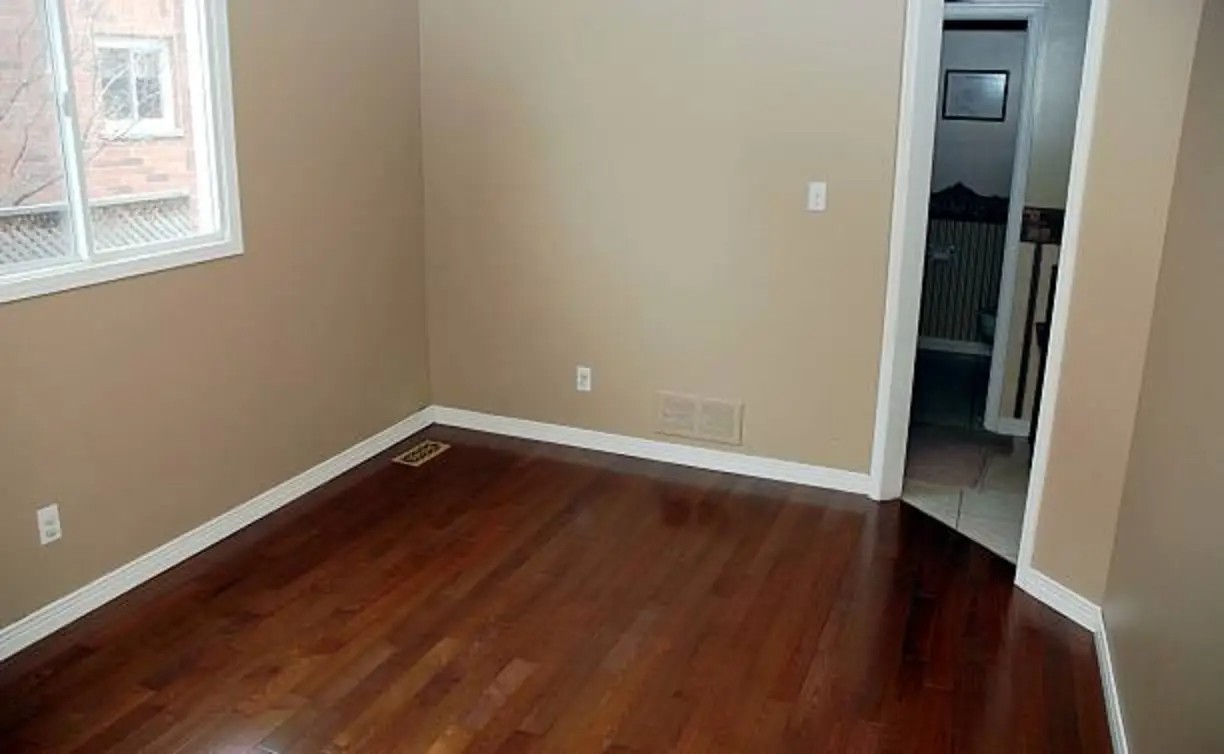
Basements, below-grade spaces, and rooms over concrete slabs are environments where solid hardwood simply does not belong and where even engineered hardwood requires careful product selection. Waterproof laminate a category that has expanded significantly as laminate flooring manufacturers have developed fully waterproof core technology handles these environments well and provides a wood-look result in spaces where achieving that look with natural wood would be technically problematic or financially impractical.
DIY Installation Projects
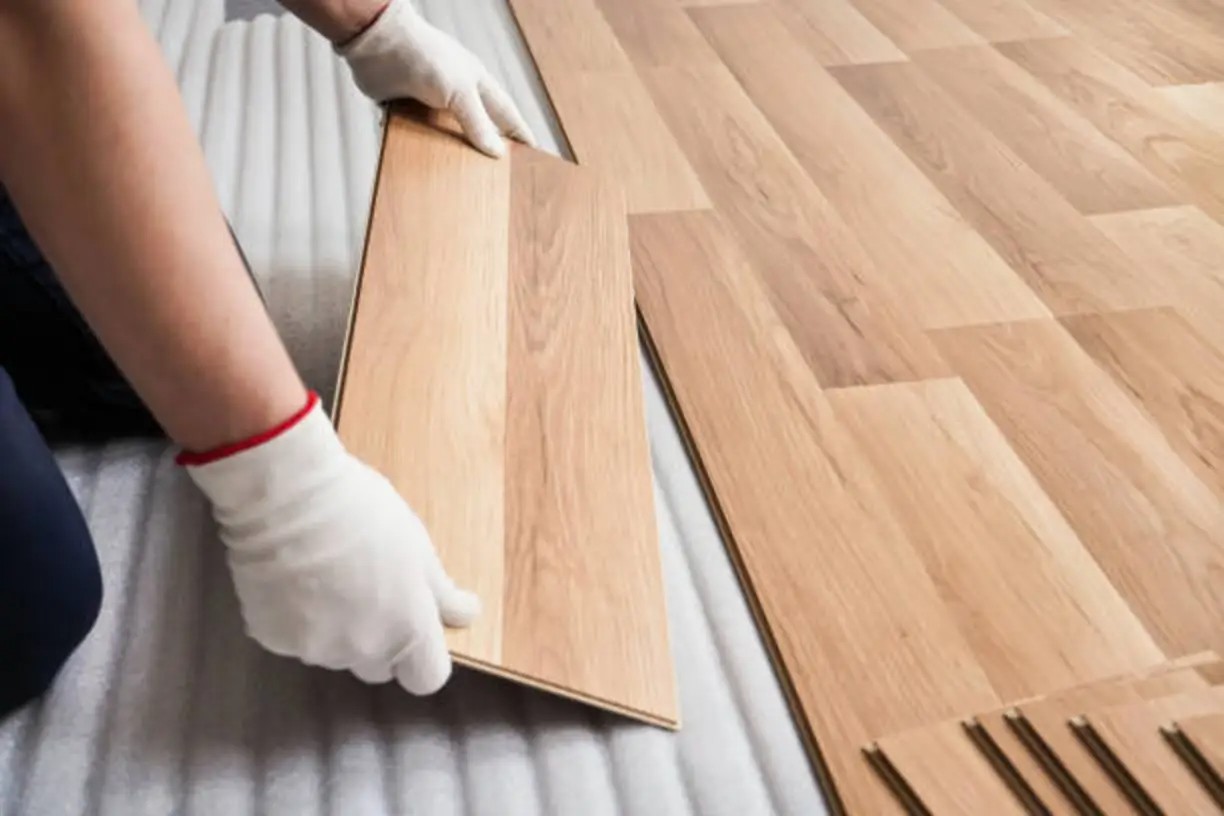
Laminate’s click-lock installation system is specifically designed for floating installation that does not require nailing, stapling, or gluing to the subfloor. A homeowner with basic tool competency and a willingness to follow the installation instructions carefully can install laminate successfully without professional help. That DIY-friendly format reduces the total project cost significantly and makes laminate an accessible option for homeowners who are doing their own renovation work.
Where Laminate Does Not Belong
Honest evaluation of laminate requires being equally clear about where it is not the right answer. The limitations are real and ignoring them leads to flooring failures that are expensive and frustrating.
Full Bathrooms
Traditional laminate and water do not coexist well. The HDF core at the centre of most laminate planks swells when it absorbs water and once swollen it does not return to its original dimension. Seams between planks and edges at room perimeters are the most vulnerable points. A full bathroom where water regularly reaches the floor is not an appropriate environment for standard laminate regardless of what the surface finish can handle.
Waterproof laminate with a fully sealed core changes this calculation somewhat, but even waterproof laminate is not designed for environments where standing water is a regular occurrence. For full bathrooms, tile remains the appropriate choice.
Environments Where Refinishing Is a Priority
Laminate cannot be refinished. When the wear layer is exhausted whether through heavy use over many years or through damage the floor needs to be replaced rather than sanded and refinished the way hardwood can be. For homeowners who plan to stay in a home for decades and want a flooring investment they can renew rather than replace, hardwood’s refinishing capability is a genuine long-term advantage over laminate.
High-End Resale Markets
In real estate markets where buyers expect and inspect for real hardwood flooring, laminate is identified and valued accordingly. For homeowners investing in flooring specifically to increase resale value in premium markets, the perception gap between laminate and real hardwood affects the return on that investment. In mid-range markets the distinction matters less, but it is worth understanding before making a flooring decision that is partly motivated by resale value.
The Quality Difference Between Laminate Products
The range of laminate quality is wider than most people realize. A budget laminate at $1 per square foot and a premium laminate at $5 per square foot from quality laminate flooring manufacturers are not the same product with a different price tag. They are genuinely different products with meaningfully different performance characteristics.
AC Rating and Wear Layer Thickness
The AC rating system AC1 through AC5 classifies laminate by its resistance to abrasion, impact, staining, and other wear factors. AC1 and AC2 products are appropriate for light residential use in low-traffic rooms. AC3 products are suitable for general residential use. AC4 products are rated for light commercial use and represent the durability standard worth meeting in high-traffic residential spaces. AC5 products are rated for heavy commercial use and represent the upper end of residential durability.
Budget laminate products frequently carry AC2 or AC3 ratings. Quality laminate floor manufacturers producing products designed for real residential durability typically offer AC4 options across their product lines. The rating is printed on the product specification sheet and is worth verifying rather than assuming.
Core Quality and Thickness
Plank thickness in laminate ranges from 6mm at the budget end to 12mm or thicker in premium products. Thicker planks feel more solid underfoot, transmit less sound, and handle minor subfloor imperfections more forgivingly than thin planks do. The density and quality of the HDF core also affects how well the click-lock system holds over time and how resistant the plank edges are to damage during installation and use.
Quality laminate flooring manufacturers specify core density and plank thickness transparently. Budget products at the thin end of the range feel noticeably different underfoot the hollow sound and flex under foot pressure that gave early laminate its poor reputation are characteristics of thin, low-density products, not of quality modern laminate.
Texture and Realism
The visual quality of laminate has advanced dramatically, but it has not advanced uniformly across all products. Budget laminate uses repetitive photographic patterns that become visually obvious once you are looking for them. A single tile or plank image is repeated across the floor in a pattern that reads as artificial at close range.
Quality laminate floor manufacturers use larger image libraries with more variation between planks and employ embossed-in-register texturing that aligns the surface texture with the printed grain. The result looks and feels different underfoot and up close in a way that justifies the price difference for spaces where visual realism matters.
Attached Underlayment
Underlayment beneath laminate dampens sound, provides a slight cushion underfoot, and creates a moisture barrier between the floor and the subfloor. Budget laminate requires separate underlayment purchase and installation. Quality products from reputable laminate flooring manufacturers include pre-attached underlayment that simplifies installation and ensures the underlayment is matched to the specific product it is paired with.
What Laminate Realistically Costs
Laminate flooring spans a wider price range than most people expect when they start researching. Budget products at the entry level run $0.75 to $2 per square foot for material. Mid-range products from established laminate floor manufacturers run $2 to $4 per square foot. Premium laminate with thick cores, high AC ratings, and realistic texturing runs $4 to $7 per square foot.
Installation adds $2 to $5 per square foot for professional installation, though laminate’s DIY-friendly format makes it more accessible to self-installation than most other flooring types. Underlayment, transition strips, and removal and disposal of existing flooring are additional costs worth factoring into the total project budget before comparing laminate to alternative flooring materials on price alone.
The total installed cost of quality laminate from reputable laminate flooring manufacturers in a mid-size room runs $4 to $9 per square foot depending on product selection and whether installation is professional or DIY. That positions laminate as one of the most cost-effective options for achieving a wood or stone visual result in spaces where the natural material is either too expensive or technically inappropriate.
Installation: What the Process Actually Involves
Laminate installs as a floating floor, meaning it is not attached to the subfloor but instead clicks together at the seams and rests on the underlayment. That floating installation has specific requirements that affect how well the floor performs after installation.
Subfloor flatness matters significantly. Laminate does not conform to a wavy or uneven subfloor the way some flooring materials do. Subfloor high spots and low spots that exceed the manufacturer’s tolerance typically 3/16 inch over a 10-foot span need to be addressed before installation begins. A floor installed over an uneven subfloor develops movement, noise, and joint stress over time that is not a product defect. It is an installation defect.
Acclimation is required. Laminate planks need to acclimate to the temperature and humidity of the installation environment before installation begins, typically for 48 to 72 hours. Skipping acclimation leads to dimensional changes after installation that open gaps or buckle the floor.
Expansion gaps at walls and fixed objects are essential. Laminate expands and contracts with temperature and humidity changes. Without adequate expansion gaps at the perimeter of the room, that movement has nowhere to go and the floor buckles. Quality laminate flooring manufacturers specify the required expansion gap in their installation instructions, and it needs to be followed precisely regardless of how it looks before trim and transitions cover the gap.
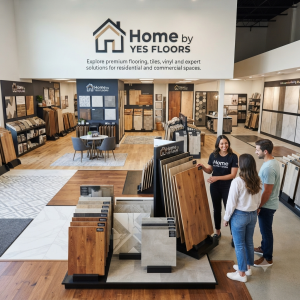
Why Yes Floors Makes Finding the Right Laminate Easier
Finding the right laminate flooring product when you are trying to navigate AC ratings, core thickness, waterproof versus water-resistant claims, and the genuine quality differences between laminate floor manufacturers takes more time than most homeowners want to spend before making a decision they will live with for years. Yes, Floors simplifies the entire process by giving you direct access to quality laminate products from reputable laminate flooring manufacturers alongside honest guidance about which product fits the space you are flooring and the performance you need from it.
Whether you need an AC4-rated product for a high-traffic main living area, a waterproof option for a below-grade space, or a realistic wood-look laminate for a renovation where budget matters without wanting to sacrifice visual quality, Yes Floors works with homeowners to match the right product to the actual requirements of the project. You get transparent product specifications, honest answers about where laminate is and is not the right choice, and flooring from laminate flooring manufacturers who produce products worth putting in your home.
For homeowners who want flooring that performs the way it should and looks the way it should years after installation, Yes Floors is the starting point worth finding before you commit to a product based on a showroom sample and a price tag alone.
Final Thought
Laminate flooring in 2025 is a genuinely strong product in the right application. Quality laminate from reputable laminate floor manufacturers looks realistic, wears well, installs accessibly, and costs significantly less than the natural materials it replicates. Those are real advantages that make it the right answer for a lot of homeowners in a lot of spaces.
It is also a product with real limitations it cannot be refinished; it does not handle standing water well in standard formulations, and it does not carry the same weight as real hardwood in premium real estate markets. Those limitations are not reasons to dismiss it. They are reasons to be clear about whether your specific situation calls for laminate or something else.
Get the application right. Get the quality right from a manufacturer who is transparent about what they are selling. And work with people who will give you an honest answer about whether laminate is the right floor for your home rather than the answer that closes the sale fastest.
Find the right laminate flooring for your space at Yes Floors → yesfloors.com