







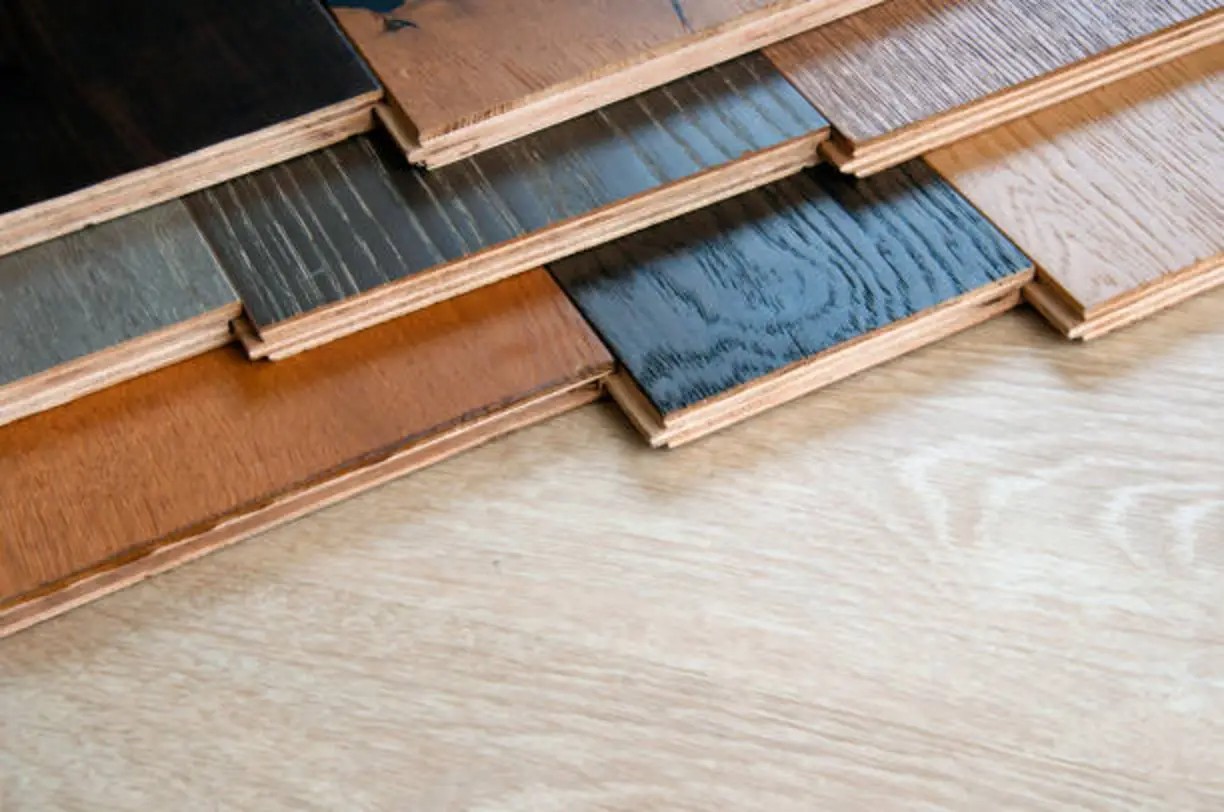
Choosing hardwood flooring feels straightforward until you are standing in a showroom trying to understand why two floors that look nearly identical carry price tags that are hundreds of dollars apart per square foot. The answer almost always comes down to the same distinction: one is solid hardwood and one is engineered hardwood. Understanding what that difference means not just in terms of construction but in terms of real-world performance, installation requirements, and long-term value is what separates a flooring decision you are confident in from one you second-guess every time you notice a problem years later.
This guide breaks down exactly what solid and engineered hardwood are, how they perform differently in real home environments, what each one costs, and what to look for when evaluating engineered hardwood flooring manufacturers so you know the quality of what you are actually buying before it goes down in your home.
What Solid Hardwood Actually Is
Solid hardwood flooring is exactly what the name describes. Each plank is milled from a single piece of wood, typically three quarters of an inch thick, from species like oak, maple, hickory, walnut, cherry, or pine. That single-piece construction is what gives solid hardwood its defining characteristic: it can be sanded and refinished multiple times over the course of its life, which is why well-maintained solid hardwood floors in historic homes are still beautiful after a century of use.
The other defining characteristic of solid hardwood is its relationship with moisture. Wood is a natural material that expands and contracts as humidity levels change. Solid hardwood does this significantly. In environments with controlled, stable humidity which describes most above-grade living spaces in climate-controlled homes that movement is manageable and predictable. In environments where humidity fluctuates widely or where moisture is present at the subfloor level, solid hardwood becomes problematic. It can cup, gap, warp, and buckle when moisture conditions fall outside the range it tolerates.
This is not a defect in the material. It is the nature of solid wood responding to its environment the way wood always has. Understanding that behaviour is what determines where solid hardwood belongs in a home and where it does not.
What Engineered Hardwood Actually Is
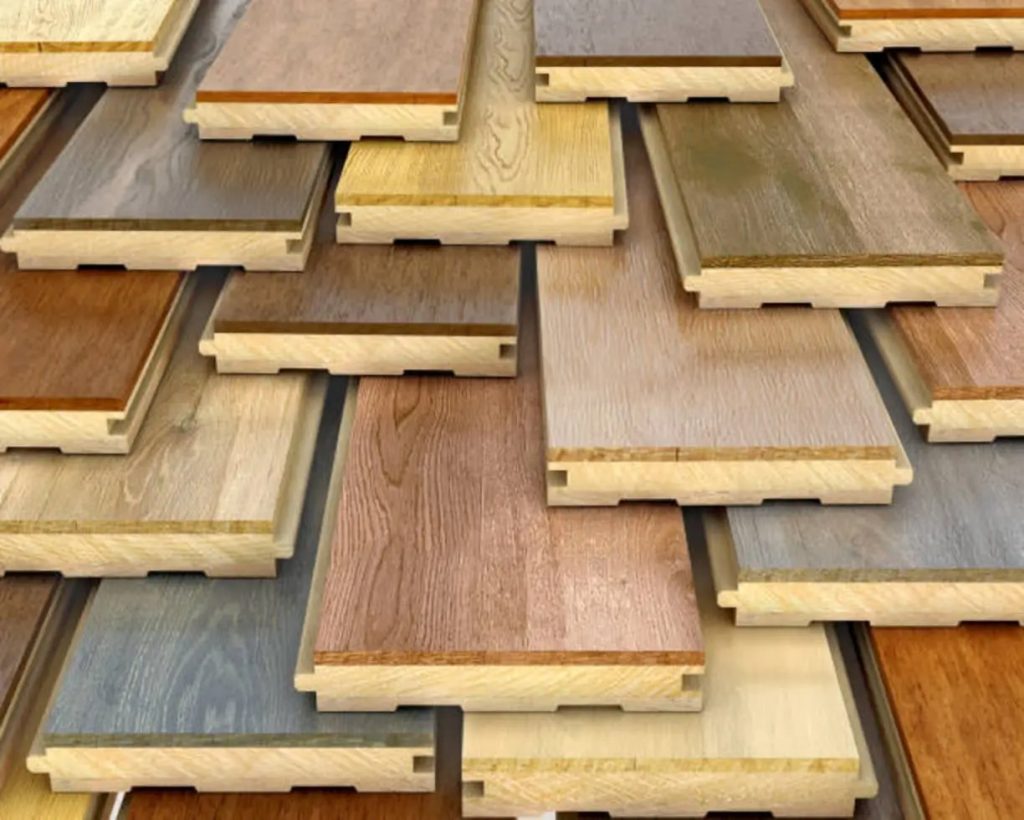
Engineered hardwood is a manufactured product with a real wood veneer on top and a layered core beneath it. The core is typically made from high-density fibreboard, plywood, or a combination of wood layers oriented in alternating directions. That cross-ply construction is what gives engineered hardwood its key advantage over solid hardwood: dimensional stability.
Because the layers in the core work against each other’s natural tendency to expand and contract, engineered hardwood moves significantly less in response to humidity changes than solid hardwood does. That stability makes it suitable for environments where solid hardwood would struggle basements, slab-on-grade installations, over radiant heat systems, and rooms in climates with significant humidity swings.
The top layer the veneer is real hardwood. It is the same species, the same grain, the same visual character as solid hardwood of the same species. The difference is in the thickness of that veneer layer, which ranges from a thin two-millimetre layer in budget products to a substantial six-millimetre or thicker layer in premium products from quality engineered hardwood flooring manufacturers. That veneer thickness determines how many times the floor can be sanded and refinished over its life, which directly affects its long-term value.
The Construction Quality Difference That Most People Miss
Not all engineered hardwood is built to the same standard, and the difference between a quality product from reputable hardwood manufacturers and a budget product from a low-cost supplier is significant enough to affect how the floor looks, performs, and lasts.
Veneer Thickness
A two-millimetre veneer can typically be lightly sanded once, maybe twice if done carefully, before the veneer layer is exhausted. A six-millimetre veneer can be sanded and refinished three or four times over the life of the floor, giving it a lifespan that approaches solid hardwood. Budget engineered products compete on price by reducing veneer thickness. Quality engineered hardwood flooring manufacturers compete on longevity by maintaining veneer thickness that makes refinishing realistic.
Core Construction
The core of an engineered hardwood plank affects its stability, its sound profile when walked on, and its resistance to denting and compression. Plywood cores with multiple cross-ply layers provide excellent stability and a solid feel underfoot. HDF cores are dense and stable but can be more susceptible to moisture at edges and joints. Low-quality cores with voids or inconsistent density produce floors that sound hollow, flex more than they should, and are more likely to develop problems at seams over time.
Finish Quality
The factory finish applied by hardwood manufacturers affects scratch resistance, sheen consistency, and how the floor responds to cleaning and maintenance over time. Aluminium oxide finishes are the industry standard for durability. The number of finish coats, the UV curing process, and the quality of the base stain all affect how the floor looks after years of use rather than just on the day it is installed.
Where Each Type of Flooring Actually Belongs
The question of solid versus engineered hardwood is not really about which one is better. It is about which one is appropriate for the specific conditions of the space you are flooring.
Above Grade on a Wood Subfloor
Both solid and engineered hardwood perform well in above-grade rooms on a wood subfloor with a controlled indoor environment. Solid hardwood’s moisture sensitivity is manageable in these conditions. Engineered hardwood’s stability is an advantage even here, particularly in homes with forced-air heating that creates low humidity in winter months. Either is a sound choice in this environment, and the decision comes down to aesthetics, budget, and how important refinishing capability is over the long term.
Below Grade and Slab Installations
Solid hardwood is not appropriate for below-grade installation or direct installation over a concrete slab. The moisture vapor transmission through concrete is enough to cause solid hardwood to cup and buckle over time regardless of what moisture barriers are used. Engineered hardwood is specifically designed for these applications. Its dimensional stability makes it the correct choice for basements, ground-floor slab installations, and anywhere moisture at the subfloor level is a realistic concern.
Over Radiant Heat
Radiant heat systems create temperature and humidity fluctuations at the floor surface that solid hardwood handles poorly. The repeated expansion and contraction cycles stress the floor, open gaps between planks, and over time can cause the finish to crack. Engineered hardwood from quality engineered hardwood flooring manufacturers who specifically rate their products for radiant heat installation handles these conditions significantly better. Always verify that the specific product you are considering is rated for radiant heat before installation.
High Moisture Rooms
Neither solid nor engineered hardwood is appropriate for full bathrooms or laundry rooms where standing water is a realistic possibility. For kitchens and mudrooms where moisture exposure is incidental rather than regular, engineered hardwood is the appropriate choice over solid hardwood given its superior moisture resistance.
Cost: What You Are Actually Paying for
Hardwood flooring costs vary significantly based on species, grade, width, finish, and whether the product is solid or engineered. Understanding what drives cost helps you evaluate whether a lower price reflects a genuine value or a compromise in quality you will regret.
Solid hardwood typically runs $5 to $15 per square foot for the material depending on species and grade, with installation adding $3 to $8 per square foot on top of that. Exotic species and wide-plank formats push toward the higher end of the material cost range. Solid hardwood in common species like red oak at standard three-quarter inch thickness represents one of the most cost-effective long-term flooring investments available when installed in appropriate conditions.
Engineered hardwood has a wider price range than solid hardwood because the range of quality is wider. Budget engineered products start around $3 to $5 per square foot. Mid-range products from reputable hardwood manufacturers run $6 to $12 per square foot. Premium wide-plank engineered hardwood with thick veneers and high-quality cores from quality engineered hardwood flooring manufacturers can reach $15 to $25 per square foot or more. Installation costs are like solid hardwood at $3 to $8 per square foot depending on the installation method and subfloor condition.
The cost calculation that most homeowners miss is the lifecycle cost rather than the upfront cost. A budget engineered floor that cannot be refinished and needs replacement in ten to fifteen years costs more over thirty years than a quality engineered or solid hardwood floor that can be refinished and lasts fifty years or more. Price per square foot is the starting point, not the complete picture.
Installation Methods and What They Mean for Your Project
Solid and engineered hardwood install differently, and the installation method affects both the cost of the project and the suitability of the product for your specific subfloor situation.
Solid hardwood is typically nailed or stapled down to a wood subfloor. It cannot be floated and it cannot be glued directly to concrete. That installation requirement limits where it can go and means it requires a wood subfloor in good condition as a prerequisite.
Engineered hardwood can be nailed, stapled, glued, or floated depending on the product and the installation conditions. Floating installation, where planks click or glue together without attachment to the subfloor, is the most flexible method and allows installation over a wider range of subfloor types and conditions. Glue-down installation over concrete is appropriate for engineered hardwood and provides a stable, solid feel underfoot. The installation flexibility of engineered hardwood from quality engineered hardwood flooring manufacturers is a genuine practical advantage in renovation projects where subfloor conditions vary.
What to Look for When Evaluating Engineered Hardwood Flooring Manufacturers
The manufacturer behind an engineered hardwood product determines more about its quality and performance than the product description in a showroom does. These are the factors worth investigating before you commit to a product.
Veneer Thickness Transparency
Reputable engineered hardwood flooring manufacturers are specific about veneer thickness in their product specifications. A manufacturer who describes their veneer as thick without providing a measurement in millimetres is one that is not confident in how that measurement compares to competitors. Ask for the number and verify it independently if possible.
Core Specification
Quality hardwood manufacturers specify their core construction in detail number of plies, material, thickness, and how the core is engineered for the specific performance claims they make. Vague core descriptions or refusal to specify core construction are warning signs that the core is the cost-reduction point in the product.
Warranty Terms
The warranty a manufacturer offers on their product reflects their confidence in how it performs over time. Read warranty terms carefully rather than just noting the warranty period. Look at what voids the warranty, what moisture conditions the warranty covers, and whether the warranty is backed by the manufacturer directly or passed through a retailer who may not be in business in ten years.
Third-Party Certifications
Certifications like CARB2 compliance for formaldehyde emissions, Floor Score certification for indoor air quality, and FSC certification for responsible wood sourcing are not marketing claims. They are third-party verified standards that reputable engineered hardwood flooring manufacturers meet because they are committed to producing products that are safe and responsibly sourced.
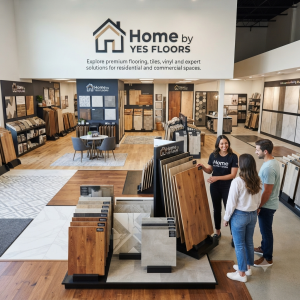
Why Yes Floors Makes Finding the Right Hardwood Flooring Easier
Finding the right hardwood flooring product when you are navigating the difference between solid and engineered, comparing products from different hardwood manufacturers, and trying to figure out what you are getting for the price takes more effort than most homeowners expect. Yes, Floors simplifies the entire process by giving you direct access to quality products from reputable engineered hardwood flooring manufacturers alongside honest guidance about which product is the right fit for your specific space and conditions.
Whether you are installing above-grade on a wood subfloor, over a concrete slab in a basement, or over a radiant heat system that limits your options, Yes Floors works with homeowners to match the right product to the actual requirements of the project rather than pushing whatever carries the highest margin. You get transparent product specifications, honest assessments of what each product delivers, and flooring from hardwood manufacturers who stand behind what they produce.
For homeowners who want hardwood flooring that performs the way it should for years after installation and not just on the day it goes down, Yes Floors is the straightforward starting point most people wish they had found before planning they regretted.
Final Thought
The choice between engineered and solid hardwood is not a question of which one is better. It is a question of which one is right for your specific space, your subfloor conditions, your moisture environment, and your long-term expectations for the floor. Both materials, when selected correctly and installed properly, produce floors that are genuinely beautiful and genuinely durable.
The variable that matters most after you have identified the right type for your conditions is the quality of the product and the reputation of the engineered hardwood flooring manufacturers behind it. A well-constructed engineered hardwood floor from a manufacturer who is transparent about their specifications and stands behind their product with a meaningful warranty is a better investment than a budget alternative that saves money upfront and costs more in replacement and repair over the years you live with it.
Get the type of right for your space. Get the quality right for your budget. And work with people who will give you honest guidance on both.
Find the right hardwood flooring for your home at Yes Floors → yesfloors.com