







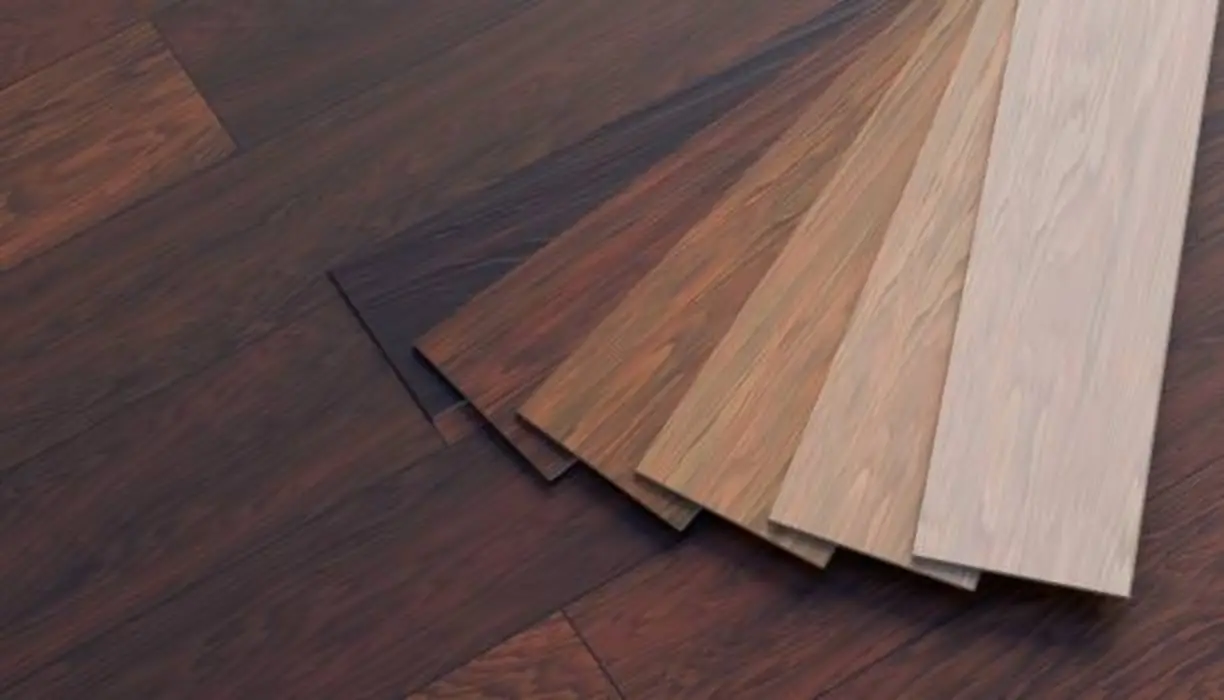
Quick Answer: Engineered hardwood is built from layers of real wood over a plywood core, making it more stable in basements, kitchens, and humid climates, while solid hardwood is one piece of wood all the way through, offering more refinishing options but less resistance to moisture and temperature changes. For most homes, the engineered option is the safer choice below grade, while the solid option works best on main-level rooms with stable humidity.
Choosing between the two is one of the biggest decisions in any flooring project, and the right pick depends on where the floor is going, how the home handles humidity, and how long the homeowner plans to stay in the house. This guide breaks down the real differences so the decision is easier to make.
What Is Solid Hardwood?
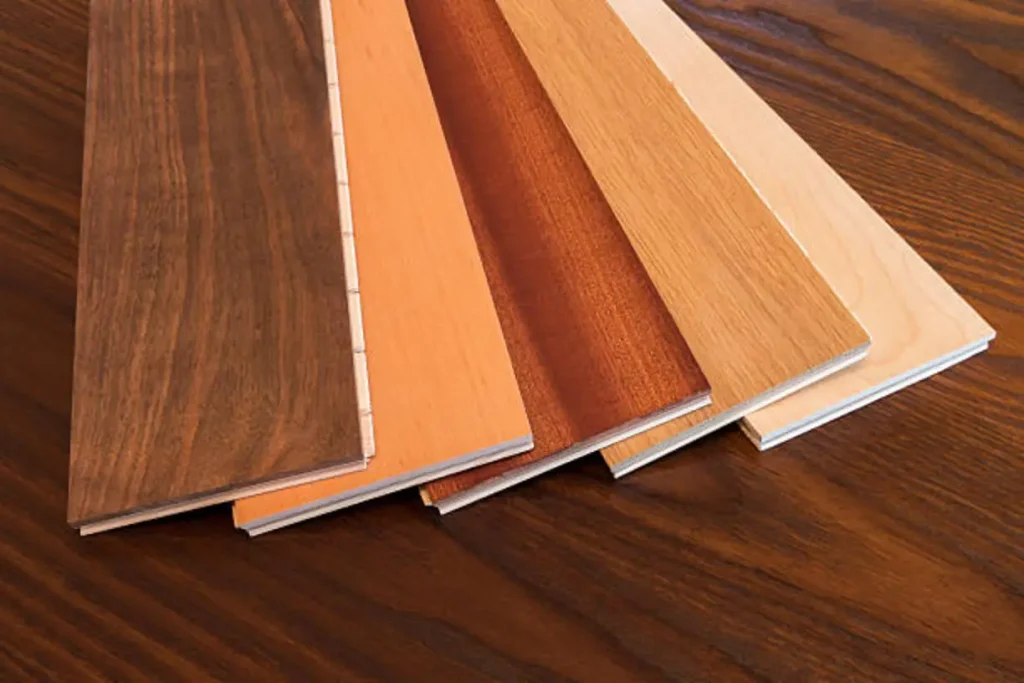
Solid hardwood is exactly what it sounds like: one piece of wood, milled from a single plank, top to bottom. It has been used in homes for generations and is prized for its long lifespan and classic look.
Key traits:
- Can be sanded and refinished multiple times, often five to seven times over its life
- Comes in a wide range of species, including oak, maple, hickory, and walnut
- Reacts to humidity and temperature changes by expanding and contracting
- Best suited for main-level rooms with stable indoor conditions
- Typically nailed or stapled down over a wood subfloor
What Is Engineered Hardwood?
This type looks like solid wood on the surface but is built differently underneath. It has a real hardwood veneer on top, bonded to several layers of plywood or high-density fiberboard arranged in a cross-grain pattern.
Key traits:
- More resistant to warping and gapping caused by humidity swings
- Can be installed over concrete slabs, making it suitable for basements
- Often installed with a click-lock or glue-down method, which can be faster
- Refinishing is possible but limited, depending on the thickness of the top veneer
- Available in a similarly wide range of wood species and finishes as solid options
Key Differences at a Glance
| Factor | Solid | Engineered |
| Moisture resistance | Lower | Higher |
| Where it can be installed | Above grade only | Any level, including basements |
| Refinishing | Multiple times | Limited, based on veneer thickness |
| Installation | Nail or staple down | Click-lock, glue-down, or nail-down |
| Lifespan | 50+ years with care | 20 to 30 years, longer with a thicker veneer |
| Cost | Generally higher | Often more budget-friendly |
Where Each Option Works Best
The solid option tends to perform best in living rooms, bedrooms, and dining rooms on the main or upper floors of a home, where temperature and humidity stay relatively stable throughout the year.
The engineered option is the better fit for basements, homes built on concrete slabs, and regions with big seasonal humidity swings. It also works well for homeowners who want the look of real wood without worrying as much about long-term movement.
If a project involves a below-grade space, it’s worth reading through a dedicated Hardwood Installation Tips guide before choosing a product, since subfloor prep and moisture barriers matter more in these situations.
Cost Comparison
Solid wood usually costs more per square foot than the engineered alternative, both for materials and installation, mainly due to the amount of raw wood used and the labor involved in nail-down installation.
The engineered option often comes in at a lower price point while still delivering a real wood surface layer, which is part of why it has become a popular choice for homeowners renovating on a budget without wanting to switch to laminate or vinyl.
Maintenance and Longevity
Both flooring types need routine care to stay in good condition, though the specifics differ slightly based on the surface layer and installation method. Sweeping regularly, using furniture pads, and avoiding standing water are important for both types.
For a complete breakdown of daily care, cleaning products to avoid, and how to handle scratches or spills, check out this detailed Hardwood Maintenance Guide.
Frequently Asked Questions
Is engineered hardwood as durable as the solid option?
It can be just as durable day to day, though it typically cannot be refinished as many times as the solid option over its lifespan.
Can engineered hardwood be installed in a basement?
Yes, it’s one of the few real wood flooring options suitable for basements, since it resists moisture and temperature swings better than solid wood.
Which option adds more resale value to a home?
Both can add value, though the solid option is sometimes viewed as a premium feature by buyers, especially in older or higher-end homes.
How do I know which type is already installed in my home?
Checking the edge of a plank in a closet or under a heating vent usually reveals the layered construction of one versus the solid grain pattern of the other.
About Yes Floors
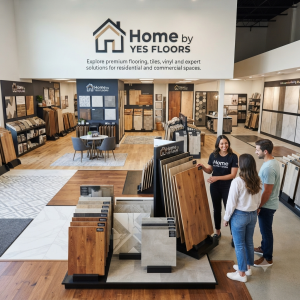
Yes Floors is a flooring store serving Anchorage and Wasilla, Alaska, offering hardwood, carpet, laminate, luxury vinyl, and tile from trusted manufacturers. Their showroom carries a wide selection of both engineered and solid hardwood products, along with in-house design consultation to help homeowners choose the right flooring for their space and climate.
Final Thoughts
There’s no single right answer in the engineered hardwood vs solid hardwood debate. It comes down to where the floor is going, the local climate, and how the homeowner plans to use and maintain the space over time. One offers flexibility and moisture resistance, while the other offers a longer refinishing life and classic appeal.
Ready to Choose the Right Hardwood for Your Home?
Contact Yes Floors to browse their hardwood collection or schedule a design consultation to find the best fit for your home