



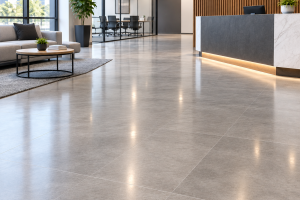







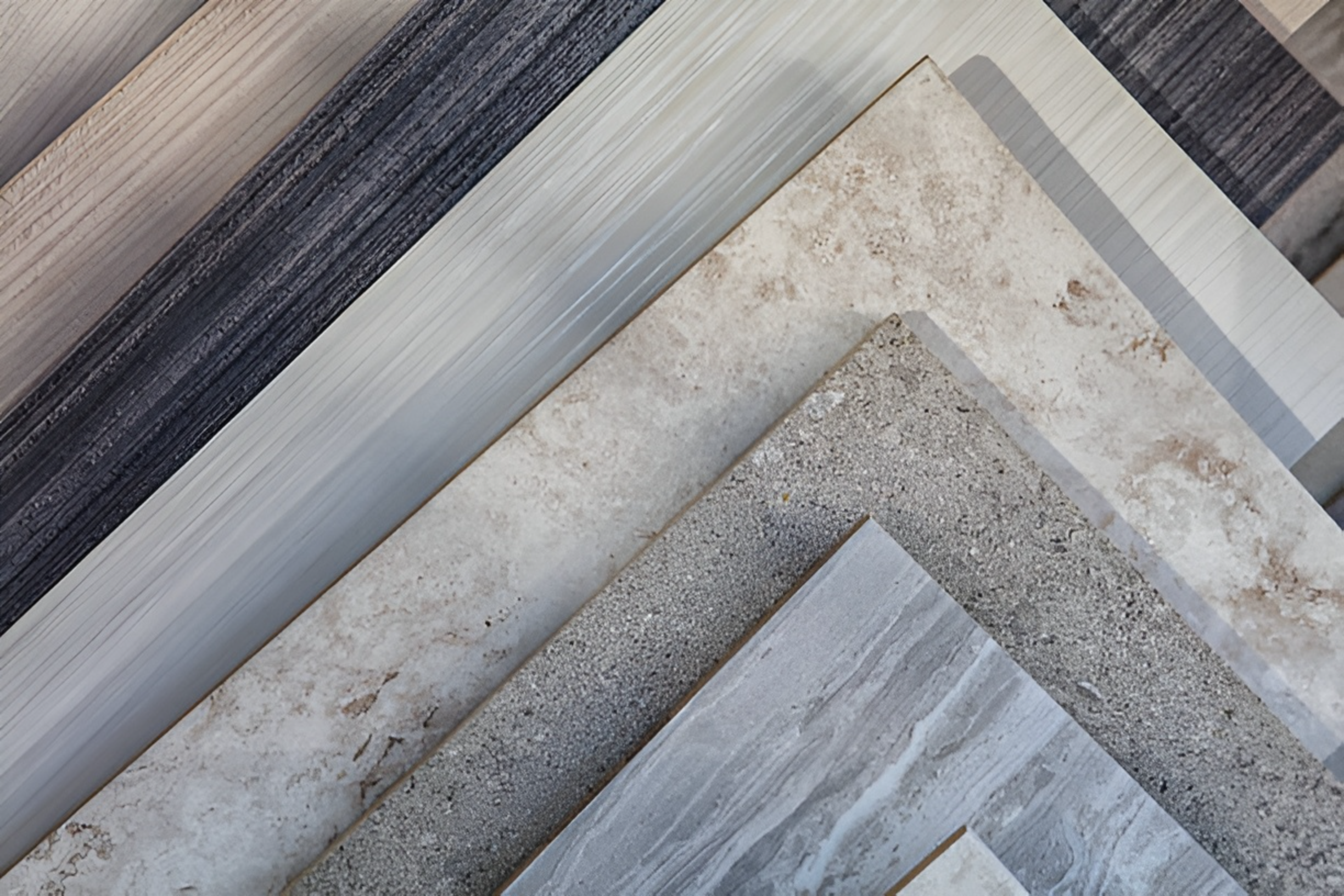
Quick Answer: Tile and natural stone both offer durable, long-lasting flooring, but they differ in cost, maintenance, and overall look. Tile is manufactured for consistency and comes in a wide range of styles at a more accessible price point, while natural stone offers one-of-a-kind character but requires more upkeep. Working with trusted stone tile manufacturers helps homeowners get consistent quality no matter which direction they choose.
Flooring sets the tone for an entire room, and the choice between tile and natural stone is one homeowners often go back and forth on. This guide breaks down the real differences between the two so the decision feels less overwhelming.
What Is Tile Flooring?
Tile flooring is manufactured from materials like ceramic or porcelain, fired at high temperatures to create a hard, durable surface. Because it’s produced under controlled conditions, tile offers a level of consistency in size, color, and pattern that’s harder to achieve with natural materials.
Key traits:
Manufactured for consistent color, size, and pattern across every piece
Available in styles that mimic wood, stone, and concrete looks
Highly resistant to water, making it a strong choice for bathrooms and kitchens
Easier to source in matching batches, since production is controlled
Generally more budget-friendly than natural stone
What Is Natural Stone Flooring?
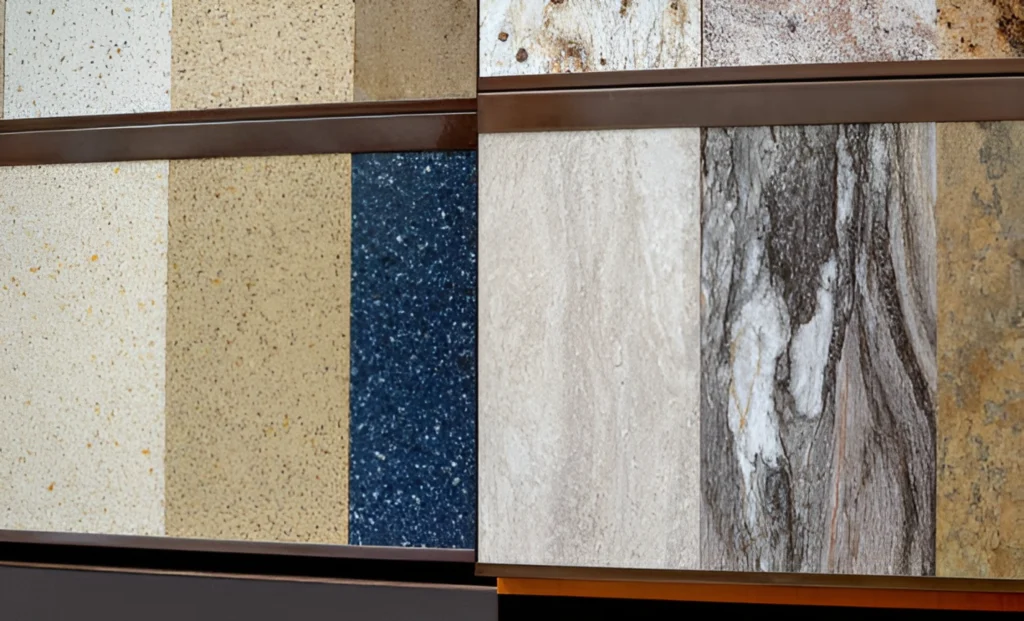
Natural stone flooring includes materials like marble, travertine, slate, and limestone, each quarried directly from the earth. No two pieces are exactly alike, which gives natural stone floors a distinct, organic character that manufactured products can’t fully replicate.
Key traits:
A completely natural material with unique veining and color variation in every piece
Requires periodic sealing to protect against stains and moisture
Adds a high-end, authentic look that many homeowners specifically seek out
Available in a range of finishes, from polished and glossy to honed and matte
Sourced and cut by stone tile manufacturers who specialize in natural material processing
Comparing Durability
Tile flooring is extremely durable and resistant to water, scratches, and stains, making it a low-maintenance option for high-moisture rooms. Natural stone is also highly durable, but its porous surface means it needs regular sealing to prevent staining and water absorption over time.
Homeowners who want a surface that requires little ongoing care tend to lean toward tile, while those who value the natural character of stone are often willing to keep up with periodic sealing.
Comparing Appearance and Style
Tile offers incredible design flexibility, since it can be manufactured to mimic wood, stone, concrete, or bold patterned designs, all while maintaining consistent sizing across every piece. Natural stone offers a look that simply can’t be duplicated, with organic veining and color shifts that make every installation one of a kind.
Both options work well across a range of design styles, though natural stone tends to lean toward a more upscale, timeless look, while tile offers more versatility for modern or budget-conscious designs.
Cost Considerations
Tile flooring is generally more affordable than natural stone, both in material cost and installation labor, since it’s manufactured in consistent batches that are easier to work with. Natural stone pricing varies more widely, often depending on the type of stone, its origin, and the stone tile manufacturers supplying it, with rarer stones commanding a higher price.
Installation labor can also run higher for natural stone, since cutting and fitting irregular veining patterns often takes more time and skill than working with uniform tile pieces.
Maintenance Differences
Tile flooring is fairly low-maintenance, typically requiring just regular sweeping and mopping to stay in good condition. Natural stone flooring needs periodic resealing, along with more careful cleaning to avoid acidic or abrasive products that can dull or etch the surface over time.
Both flooring types benefit from prompt spill cleanup and the use of protective mats in high-traffic entry points.
Which One Is Right for Your Home?
Tile tends to suit homeowners who want a durable, water-resistant, and budget-friendly flooring option with a wide range of design possibilities. Natural stone tends to suit homeowners who want a unique, high-end look and don’t mind the extra maintenance that comes with it. Both are strong long-term choices when sourced from reliable stone tile manufacturers and installed with proper care.
About Yes Floors
Yes Floors is a flooring store serving Anchorage and Wasilla, Alaska, offering hardwood, carpet, laminate, luxury vinyl, and tile from trusted manufacturers. Their showroom features a wide selection from established stone tile manufacturers, along with in-house design consultation to help homeowners choose the right flooring for their space.
Final Thoughts
Choosing between tile and natural stone flooring comes down to how much natural character a homeowner wants versus how much maintenance they’re willing to take on. Tile offers consistency, water resistance, and affordability, while natural stone offers timeless, one-of-a-kind beauty. Either way, working with dependable stone tile manufacturers ensures a quality result that lasts.
Ready to Choose the Right Flooring for Your Home?
Contact Yes Floors to explore tile and natural stone options and schedule a design consultation to find the best fit for your space.