









Hard flooring options are great in the summer, whether they are made of wood, tile, or stone. However, when the weather turns chilly, all it takes is one freezing step to appreciate the worth of carpeting. It feels cozy and warm on the feet to step onto the carpet. Carpets can contribute to a space’s insulation, which could save heating costs. This is due to the carpet’s ability to work as a barrier, keeping warm air inside the area and preventing it from leaving through the floor.
Nevertheless, a number of variables, like the thickness of the carpet, type, and the overall insulation of the space, will determine how much carpet can save heating costs. Other aspects, including the energy efficiency of the property, temperature, and the heating system type, can also affect how well the carpet reduces heating bills. Here is how carpet can lower your heating costs in the following manner.
R-Value’s Importance
An R-Value is a measurement utilized to describe building materials for businesses and residences. This represents a measurement of its insulation. A given substance delivers more insulation the higher the r-value.
Compared to other flooring choices, carpet has an amazing r-value. Anyone who has tried stepping barefoot on either surface during a chilly winter morning would immediately recognize this difference, but it also pertains to energy usage. Hard surfaces are less insulating by nature than fibers. Nonetheless, R-values vary depending on the substance.
How Can Carpet Flooring Lower Your Heating Bill?
Your floors are insulated by a carpet, which ceases heat from escaping and makes your space cozy. Uninsulated flooring options are thought to be the cause of 10% of your home’s heat loss. You’ll require more energy to maintain the warmth of your house if you’re losing heat.
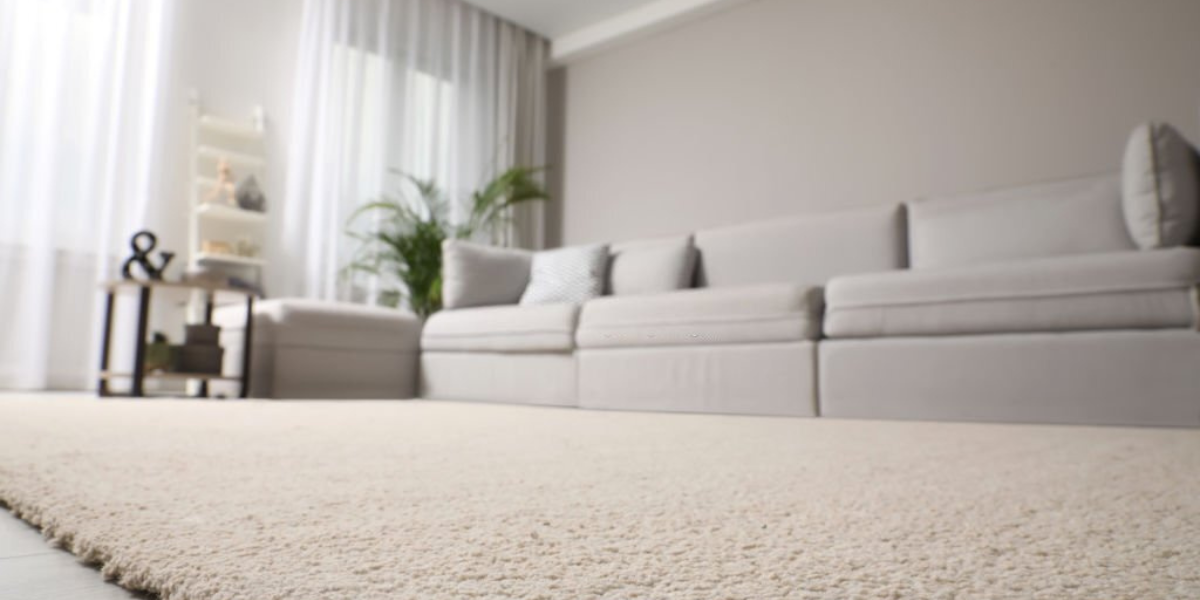
It is not easy for a carpeted floor with stable cushioning to conduct heat, making it an outstanding insulator. The carpet’s fibers effectively retain heat because they hold air. Besides, the carpeting in your residence also shields it from chilly draughts that enter through floor crevices and doorways. It enables you to seal any portions without beading fittings and tight boards.
You can save about 4-6 percent on heating expenses by installing carpet flooring. Even while the amount saved may not seem like much, it has a big effect on the total expense of heating the residence. Your residence is more energy-efficient with the carpet flooring, so you won’t require to crank the heat up as much!
Does the Thickness of The Carpet Matter?
Your space becomes cozier when you add a carpet to the hard floor. Installing a carpet with cushion or padding is recommended for the greatest energy savings. The padding forms a substantial and continuous barrier between the floor and your carpet. It also boosts your carpet’s R-value.
To create a stable walking surface, a professionally laid carpet with padding is in place from wall to wall. Besides, the carpet’s fixed location also decreases airflow between the subfloor and your carpet.
Conclusion
Because carpet is warmer than other flooring choices like vinyl and hardwood, it enables you to spend less on heating. Opt for a carpet for a warm, energy-efficient space. Buy carpets from Yes Floors, as they are the ideal carpet flooring company for your needs in terms of preferences, lifestyle, and price.