







Quick Answer: Building the right hardwood flooring for your space comes down to three choices: the grade, the wood species, and the finish. Grade controls how clean or rustic the boards look, species controls hardness and color, and hardwood finishes control sheen and protection. Working with trusted hardwood floor manufacturers helps ensure each of these is consistent, durable, and matched to how your home is actually used.
A hardwood floor is more than a single product choice. It is a combination of decisions that together decide how the room looks, feels, and wears over time. This guide breaks down grades, species, and finishes so you can build a floor that fits your space and lifestyle.
How Hardwood Floor Grades Work
Grading describes the appearance of the boards, not their strength. A higher grade means fewer natural marks, while a lower grade shows more character. Every reputable hardwood flooring manufacturer sorts boards by grade, though naming can vary slightly between brands.
Common grades:
Select and Better: Very clean, uniform boards with minimal knots and color variation
No. 1 Common: A balanced look with some knots, mineral streaks, and color contrast
No. 2 Common: A more rustic appearance with pronounced knots and variation
Cabin or Tavern grade: The most character-heavy option, often chosen for casual or farmhouse styles
Choosing a grade is about style and budget. Rustic grades are often more affordable and hide everyday wear well.
Popular Wood Species
The wood species you choose affects hardness, grain pattern, and color. Hardness is commonly compared using the Janka scale, where a higher number means better resistance to dents.
Oak: Red and white oak are the most popular choices, offering strong grain, good hardness, and a wide range of stains
Maple: A hard, light-toned species with a smooth, clean look that suits modern spaces
Hickory: One of the hardest domestic options, with dramatic color contrast and great durability
Walnut: A rich, dark, premium species that adds warmth, though it is softer than oak
Cherry: Known for its smooth grain and deep color that darkens gracefully with age
Harder species suit busy households with kids and pets, while softer species work well in bedrooms and low-traffic rooms.
Choosing Hardwood Finishes
Hardwood finishes protect the surface and set the look of the floor. The right finish balances beauty, durability, and upkeep.
Polyurethane (water-based): Clear, fast-drying, and low odor, with minimal yellowing over time
Polyurethane (oil-based): Warmer in tone and very durable, though it takes longer to cure
Aluminum oxide: A factory-applied finish known for exceptional scratch resistance
Penetrating oil: Soaks into the wood for a natural, matte look that can be spot repaired
Sheen matters too. Matte and satin finishes hide scratches and dust better, while high-gloss shows more wear but gives a formal look.
Solid Hardwood vs. Engineered Options
Solid hardwood is milled from a single piece of wood and can be sanded and refinished many times, making it ideal for main-level rooms with stable humidity. Engineered boards use a real wood top layer over a stable core, which handles moisture and temperature changes better. Both are offered by established hardwood floor manufacturers, so the right choice depends on where the floor is going.
Matching Your Floor to Your Space
Pairing grade, species, and finish to the room helps the floor perform well for years:
- Entryways and hallways: hard species, durable finish, rustic or mid-grade boards
- Living rooms: oak or hickory with a satin finish for balance
- Bedrooms: walnut or cherry where softness and warmth matter more than wear
- Kitchens: harder species with a strong factory finish and prompt spill cleanup
- Light rooms: lighter species to make small spaces feel open
Why the Manufacturer Matters
Milling accuracy, moisture control, and finish quality all depend on the maker. A reliable hardwood flooring manufacturer dries lumber properly, cuts consistent boards, and backs its products with solid warranties. Low-quality boards can cup, gap, or show uneven color soon after installation. Choosing from reputable hardwood floor manufacturers protects your investment.
Cost and Maintenance
Cost depends on grade, species, board width, and finish. Premium species and clear grades cost more, while rustic grades and domestic species are friendlier on budget. Sweep or vacuum regularly, use felt pads under furniture, wipe up spills quickly, and avoid harsh cleaners. With care, quality hardwood flooring can last for decades.
Frequently Asked Questions
What is the best hardwood grade for a busy home?
Mid-grade or rustic boards hide scratches and wear well, making them a practical choice for families and pets.
Which wood species is the most durable?
Hickory, maple, and white oak are among the most dent-resistant popular options.
How do I choose a hardwood finish?
Consider how much wear the room sees. Aluminum oxide and polyurethane offer strong protection, while oil finishes give a natural look with easier spot repairs.
Are all hardwood floor manufacturers the same?
No. Milling quality, drying process, finish durability, and warranty coverage vary, so compare options carefully.
About Yes Floors
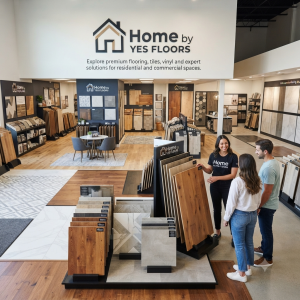
Yes Floors is a flooring store serving Anchorage and Wasilla, Alaska, offering hardwood, carpet, laminate, luxury vinyl, and tile from trusted manufacturers. Their showroom features a wide selection from leading hardwood floor manufacturers, along with in-house design consultation to help homeowners choose the right grade, species, and finish.
Final Thoughts
The best hardwood floor is built from the right mix of grade, species, and finish for your space. Understand how each choice affects look and durability and buy from dependable hardwood floor manufacturers to get a floor that stays beautiful for years.
Ready to Build Your Perfect Hardwood Floor?
Visit Yes Floors to explore hardwood options and schedule a design consultation to find the best fit for your home.