




Shopping complexes are high-traffic environments where flooring plays a crucial role in both functionality and customer experience. From malls and retail centers to outlet complexes and mixed-use shopping destinations, flooring must withstand constant foot traffic while reinforcing the overall aesthetic and brand identity of the space. In 2026, shopping complex flooring trends are focused on durability, low maintenance, safety, and modern design.
Retail environments demand flooring solutions that not only perform under pressure but also contribute to a positive shopping experience. Well-chosen flooring helps guide foot traffic, define retail zones, and create welcoming spaces that encourage customers to stay longer and return often.
Built for Heavy Foot Traffic and Daily Wear
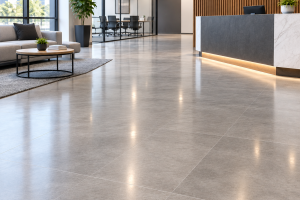
Shopping complexes experience some of the highest levels of foot traffic of any commercial environment. Flooring must handle continuous use, shopping carts, cleaning equipment, and occasional spills without showing early signs of wear. In 2026, luxury vinyl tile (LVT), luxury vinyl plank (LVP), porcelain tile, and polished concrete-look surfaces are among the most popular choices for retail and shopping centers.
Luxury vinyl flooring is especially favored due to its durability, impact resistance, and design versatility. Enhanced wear layers and rigid core construction allow vinyl flooring to perform well in corridors, storefront entrances, and shared walkways while maintaining a clean, modern appearance.
Low-Maintenance Flooring for Operational Efficiency
Maintenance efficiency is a major concern for shopping complex owners and facility managers. Flooring that requires frequent repairs or specialized cleaning can disrupt business operations and increase costs. In 2026, shopping complexes prioritize flooring that is easy to clean, stain-resistant, and quick to maintain.
Hard surface flooring options such as vinyl and tile are ideal for retail environments because they can be cleaned efficiently without compromising appearance. Modular flooring solutions also allow for targeted repairs without replacing entire sections, reducing downtime and long-term maintenance expenses.
Design Trends for Shopping Complex Flooring in 2026
Design plays a significant role in modern shopping complexes. Flooring trends in 2026 focus on clean lines, neutral tones, and natural material looks that complement a wide range of retail brands. Stone-look and wood-look flooring remain popular for creating upscale environments while maintaining durability.
Patterned flooring and subtle color variations are increasingly used to define pathways, highlight anchor stores, or separate dining and retail zones. Large-format tiles and wide-plank vinyl create seamless transitions across large open areas, enhancing the overall flow of the space.
Safety and Accessibility Considerations
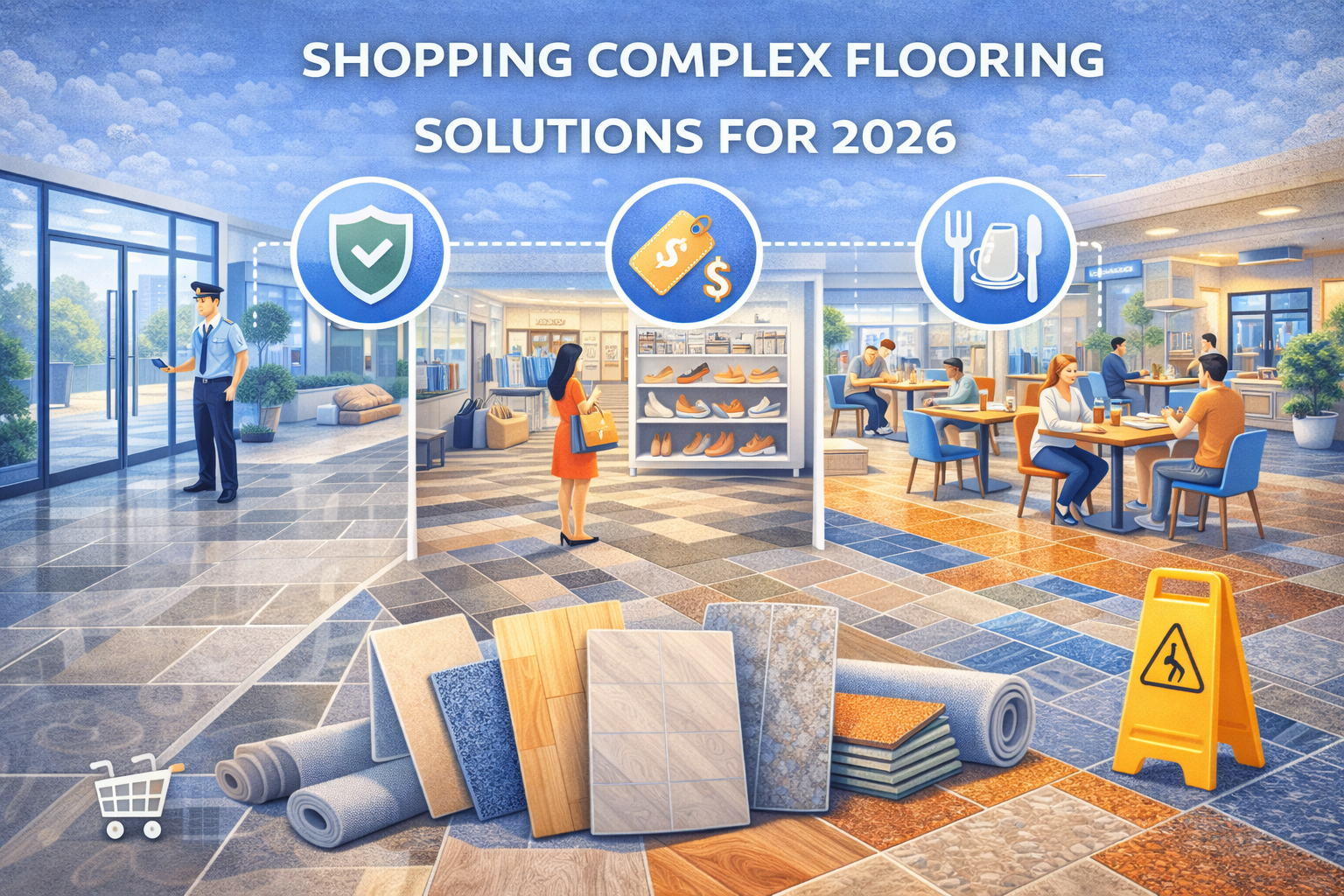
Safety is a top priority in shopping complexes, especially in high-traffic and spill-prone areas such as food courts and entrances. Slip-resistant flooring finishes are essential to reduce the risk of accidents. In 2026, manufacturers continue to improve surface technologies that enhance traction without sacrificing style.
Flooring must also support accessibility standards, ensuring smooth transitions, proper traction, and clear pathways for all visitors. Choosing compliant flooring materials helps shopping complexes meet regulations while creating inclusive environments.
Flooring for Different Areas Within Shopping Complexes
Different zones within a shopping complex require tailored flooring solutions. Main corridors and common areas benefit from durable vinyl or tile that can handle constant traffic. Retail stores often select flooring that aligns with brand identity while still meeting performance requirements.
Food courts and dining areas require moisture-resistant and easy-to-clean flooring, while entertainment spaces may incorporate cushioned or sound-absorbing surfaces to enhance comfort. Using coordinated flooring solutions across zones helps maintain visual consistency while addressing functional needs.
Sustainability and Long-Term Value
Sustainability is increasingly influencing flooring decisions in 2026. Many shopping complex owners are selecting flooring products made with recycled materials, low-VOC finishes, and environmentally responsible manufacturing processes. Sustainable flooring supports healthier indoor air quality and aligns with corporate environmental goals.
Durable flooring that lasts longer and requires fewer replacements also contributes to sustainability by reducing material waste and long-term costs.
Maximizing ROI Through Smart Flooring Choices
Shopping complex flooring is a long-term investment. Choosing materials that balance durability, maintenance efficiency, and design appeal helps maximize return on investment. Flooring that maintains its appearance over time reduces replacement frequency and enhances the overall perception of the shopping environment.
Wholesale access to high-performance flooring allows developers and contractors to manage large-scale projects efficiently while maintaining quality standards.
Partnering With the Right Flooring Provider
Selecting an experienced flooring provider is essential for shopping complex projects. A knowledgeable partner understands traffic patterns, safety requirements, maintenance needs, and design considerations unique to retail environments.
At Yes Floors, shopping complex flooring solutions are designed to support malls, retail centers, and mixed-use developments with durable, stylish, and performance-driven flooring options. From high-traffic walkways to tenant storefronts, the right flooring choices help create attractive, safe, and long-lasting shopping environments in 2026 and beyond.