






Installing new flooring can transform the look and feel of your home. Whether you’re replacing old floors or renovating a new space, understanding the flooring installation process and knowing what to expect can help ensure a smooth and successful project. In this article, we’ll provide you with a basic overview of the flooring installation process and key considerations to keep in mind.
Pre-Installation Preparation:
Before the installation process begins, it’s important to prepare the area. This involves removing furniture, appliances, and any existing flooring materials. Ensure that the subfloor is clean, dry, and level, as the condition of the subfloor can affect the quality and longevity of the new flooring. Any necessary repairs or adjustments to the subfloor should be done before the installation begins.
Acclimation Period:
Certain flooring materials, such as hardwood or laminate, may require an acclimation period. This involves allowing the flooring material to adjust to the temperature and humidity conditions of the room where it will be installed. Follow the manufacturer’s guidelines regarding the acclimation period, as failure to do so can result in warping or other issues with the flooring.
Installation Method:
The installation method will depend on the type of flooring material being installed. Common installation methods include:
Floating: This method involves interlocking the flooring planks or tiles without any adhesive. It is commonly used for laminate, luxury vinyl, or engineered hardwood flooring.
Nail/Staple Down: This method involves securing the flooring material to the subfloor using nails or staples. It is commonly used for solid hardwood flooring.
Glue-Down: This method involves adhering the flooring material directly to the subfloor using adhesive. It is commonly used for vinyl, cork, or certain types of engineered wood flooring.
Click-Together: This method involves joining the flooring planks or tiles by simply clicking them together. It is commonly used for laminate or luxury vinyl flooring.
Installation Process:
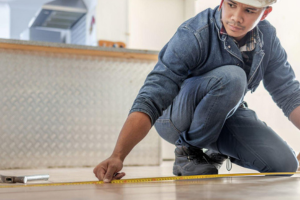
During the installation process, the flooring material will be laid out according to the chosen method. The installer will measure and cut the flooring pieces to fit the space, ensuring a precise and seamless installation. For certain materials like tile or natural stone, additional steps such as grouting or sealing may be required after the installation is complete. The installation process may vary in duration depending on the size of the area, complexity of the design, and the experience of the installer.
Post-Installation Care:
Once the flooring is installed, it’s important to follow proper care and maintenance guidelines to ensure its longevity. This may include regular cleaning, using appropriate cleaning products, and implementing preventive measures such as placing rugs or furniture pads to protect the flooring from scratches and wear.
Professional Installation vs. DIY:
While some homeowners may opt for a do-it-yourself approach, it’s often advisable to hire a professional flooring installer, especially for complex or large-scale projects. Professional installers have the necessary tools, expertise, and knowledge to handle different flooring materials and ensure a proper and professional installation. They can also provide guidance on selecting the right flooring material for your specific needs and offer valuable advice on maintenance and care.
By understanding the flooring installation process and knowing what to expect, you can better plan and prepare for your flooring project. Whether you choose to hire a professional or tackle the installation yourself, proper planning, preparation, and adherence to manufacturer’s guidelines are key to achieving a successful and long-lasting flooring installation.